Device layer
Camera and hardware flows
Capture, preview, permission, retry, and degraded states planned around real devices instead of a happy-path mockup.
Native mobile discovery
Toledo Mobile turns a high-stakes app idea into a native roadmap with platform UX, privacy prompts, offline behavior, store-readiness, and device-level risk mapped before serious engineering spend.
Discovery locks in
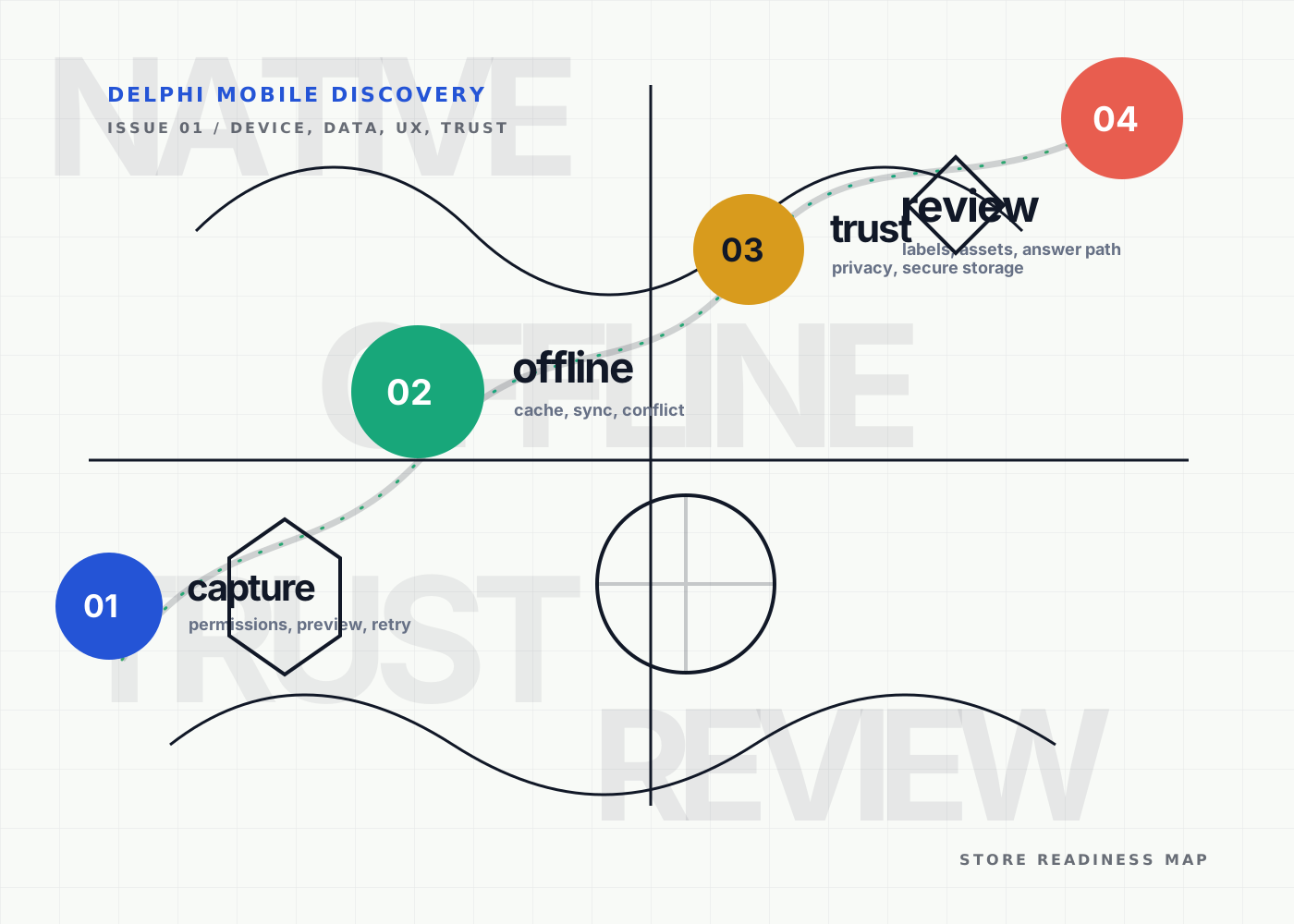
Native behavior lab
A pretty screen says what the app looks like. A native plan defines what happens when the device, network, permissions, and review process push back.
Device layer
Discovery specifies capture behavior across real devices: what opens, what fails, what retries, and what the user sees when permissions or hardware do not cooperate.
What discovery is designed to cover
The work is deciding how the app behaves when the camera fails, data goes offline, permissions are denied, the review team asks questions, or users move through the product with one hand. This is the planning method offered — not a claim about a past customer result.
Device layer
Capture, preview, permission, retry, and degraded states planned around real devices instead of a happy-path mockup.
Data layer
Room DB, cache boundaries, sync conflict rules, and failure messages designed before the build becomes expensive.
UX layer
Navigation, loading, error, empty, input, accessibility, and haptic moments specified like product behavior, not decoration.
Trust layer
Keystore, biometrics, privacy copy, platform disclosures, and app-store review questions surfaced before launch pressure hits. Apple and Google control review; discovery does not promise approval or first-pass acceptance.
What you walk away with
The deliverable is not a moodboard. It is a decision package that product, design, and engineering can use to scope the first serious build.
Loading, empty, error, success, permission, retry, offline, and degraded states for the highest-risk flows.
Platform recommendation, data model boundaries, integration notes, hardware requirements, and implementation sequence.
Clear ranking of scope, review, privacy, device, data, accessibility, and cost risks before they become sunk cost.
Store-readiness checklist, permission rationale, privacy disclosures, asset needs, and review-answer preparation.
Launch packet · format sample
Fictional scenario, redacted-format preview. It demonstrates the deliverable’s structure, not a shipped app, customer outcome, store approval, or guaranteed result.
Store-readiness path
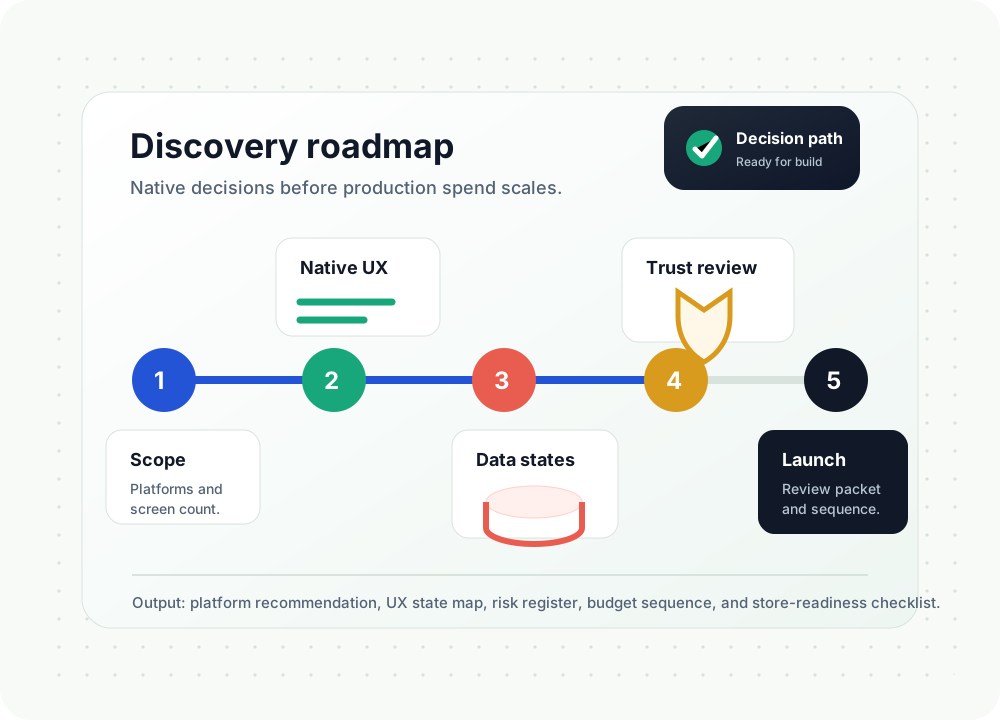
Discovery converts product ambition into a practical native plan: what to build, where the risks live, what the platform expects, and how launch should be sequenced.
Define audience, device contexts, platform choice, integrations, screen scope, hardware needs, and launch constraints.
Document navigation, permissions, offline states, capture flows, accessibility requirements, and critical edge cases.
Prioritize the build, review app-store requirements, surface risk, and leave with a budget-aware execution path.
Discovery brief builder
Pick the pressure points. The brief preview updates as you choose, so the first conversation starts closer to a real plan.
Mobile App Discovery
Bring the product, audience, constraints, integrations, and uncomfortable unknowns. Leave with platform recommendations, implementation priorities, UX state maps, launch risks, and the decisions required to build responsibly.
Discovery prepares the submission path; it does not guarantee App Store or Play Store approval, review timing, or first-pass acceptance.